
Overall Themes – Sects & Violets
Sects and Violets is an intense script filled with very powerful townsfolk and even more threatening demons. With alignment and character changes along with the introduction to the mechanics of madness. This script uses religion and myth to highlight themes of good vs evil, deception as an allegory for moral corruption, divine intervention/communication, hidden knowledge, rituals and symbolism in the names, visuals and flavor text produced by the official wiki. Sects and Violets is a script that really lets Blood on the Clocktower unapologetically push what’s possible in a social deduction game.
Townsfolk
-
Oracle
The Oracle is a townsfolk that has connections to death, hidden knowledge and divine communication. The Oracle can easily be connected with Pythia, an oracle of Apollo known as the Oracle of Delphi. She was influential and was able to directly communicate with Apollo (Britannica, Delphic oracle 2024). This lines up the divine communication the Oracle has with the Storyteller and how powerful learning about the number of evil dead players. However if the Oracle does not use their best judgment they can start to reflect more with Cassandra, the cursed oracle to know the truth and have no one believe her (Britannica, Cassandra).
Sects and Violets consists of:
Townsfolk
Minions
Outsiders
Demons
Outsiders
-
Mutant
Mutant: The Mutant is an Outsider that never wants to admit they are an Outsider. The Mutant has connections to madness, death and redemption. The mutant is “mad” that they are not an outsider. If this madness is broken it could result in the mutants death, so revealing their true identity could be fatal. An example of this is in Greek mythology with King Pentheus and the god Dionysus. As due to the king’s rejection of the cult of Dionysus and denying his godhood, Dionysus drive’s the people of Thebes mad and calls them as his followers and slowly warps Pentheus’s mind and sanity. Which swiftly after, is torn apart by others under Dionysus’s influence (Miscellaneous Myths: Dionysus 2015). This madness of not being an outsider is the only way to not risk being torn apart by the Storyteller in a divine sense, but the refusal to tell other player’s you’re the mutant causes the town to tear you apart and the mutant will always appear suspicious. This idea also is reflected in christianity as for the mutant, being an outsider can be compared to original sin, and giving into the knowledge and sharing it among the town, like the apple, causes the mutant to be punished (By & Phillips, 2024). But as the mutant is good, the mutant will try to prove themselves as good and holy despite the social appearance aiming to redeem themselves as they can speak truthfully in death.
Minions
-
Cerenovus
The Cerenovus is heavily connected to madness. This minion’s ability forces a player to “be mad” about being a character of the Cerenovus’s choosing. If the selected player breaks madness they might die. The Cerenovus has links to Hera in the myth of Hercules. Driving him mad and within this state ended up killing his wife and kids (Dodds, 1951). This connection to madness and the punishment of death being for the mad player, can really tamper with a good player’s influence on the town.
Demon
-
Fang Gu
The Fang Gu Is a demon with themes of good versus evil, sacrifice and possession. This demon chooses a player each night they die, the first time the Fang Gu chooses an outsider the current dies and The Outsider becomes the new Fang Gu. The themes of possession are very explicit based on the demon’s ability. This possession also references the idea of malicious Spirits morally corrupt in the soul as seen across several religions (Britannica, 2024). The Fang Gu sacrifices themselves in order to gain another evil player; this sacrifice is also heavily linked to The Possession as the demon sacrifices its current body to inhabit another. From a gameplay perspective this makes Outsiders extra cagy and willing to die in the day to avoid being possessed by evil. This demon plays on the balance of Good and Evil in the town as it can influence the game over time. having players be worried to tell the truth about who they are in a social deduction game is common but the consequences are normally just death so by raising the stakes of becoming the demon with none of the Demons initial information or Bluffs and knowing who else is on your team really makes the thing you a threat to see on any script.
-

No Dashii
The No Dashii Has plenty of mythical themes specifically from Japanese folklore. Based on the cult of the clock tower podcast the name of this demon takes inspiration from a Japanese sword called the Nodachi which roughly translates to field sword or sword with reach. The separation of the name to No Dashii is to imply that the influence of information this demon has at a distance (Andrew & Brandon, 2021) This isn’t where the Japanese influence ends as this demon’s connections to death, mischief and Corruption. The No Dashii has similar connections to the Onryo, vengeful spirits that want to harm the living (Hall, 1988). The No Dashii has some lovecraftian elements visually with the octopus for sampling Cthulhu which is known to plague the minds of humans (Lovecraft, 1928). Just like the No Dashii’s ability to poison two townsfolk neighbors until the demon’s death overall the No Dashii influence in the game can be devastating for the town but the level of detail put into this demon lines up with the intensity of the script of sex and violence, really amping up the stakes of trusting your information which is a key component in many other social deduction games.
-
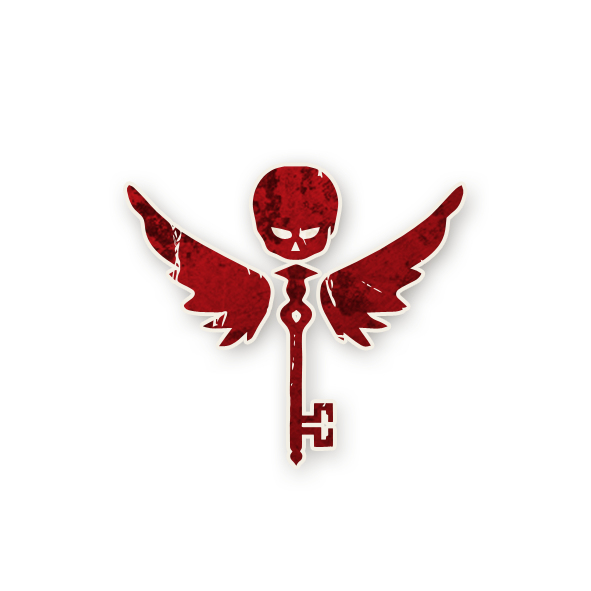
Vigormotis
The Vigormotis is a demon with connections to death and sacrifice. This Demon’s ability lets them kill their minions at night, and their minions will still keep their ability so long as the Vigormortis is alive. Sacrificing others to gain power mythologically reflects Odin in Norse mythology who sacrificed their eye in the name of wisdom and knowledge (Odin – the one-eyed all-father). This demon provides a warped version as their sacrifices allow them to taint the knowledge of the town. This makes death in the night suspect as it makes dead players less trustworthy as the minions killed by their demon are still able to spread deception and influence at the cost of their life. This demon’s flavor text talking about drinking the waters of everlasting life and its connection to the term Rigor Mortis as seen in the spelling of this demon, also refers to the influence this demon has on death and influence. Rigor Mortis is the process behind death, and the everlasting life aspect of the flavor text also shows how this demon’s ability allows those it chooses (its minions) to persist after death. The Flavor text in full also have connections to the last supper/communion in Christianity, as the Virgormortis offers “water” to the minions and when they drink it they are “blessed” by the Vigormotis’s ability just like how when Catholics eat and drink the body and blood of Christ, they become bonded with him and others who believe and worship Christ (Gabrielli, 2021). Having a Vigormortis in play make’s deaths in the night matter more to the town as determining if the newly dead have wicked intentions. something not seen in other games as dead players have significantly less influence.
Clue Up
Overall, the shift in power balance, and the mechanic of madness make this script a complex mystery when trying to determine which members of the evil team are in play, how many people are on the evil team and the true identity of the town as with madness, there is an explicit reason/excuse to lie as it could result in your death. The few characters I talk about show off the connections to good vs evil, deception as an allegory for moral corruption, divine intervention/communication, hidden knowledge in both religious and mythical ways. When playing this script it encourages bold plays from both sides. This script is a high risk high reward story for Ravenswood Bluff.